
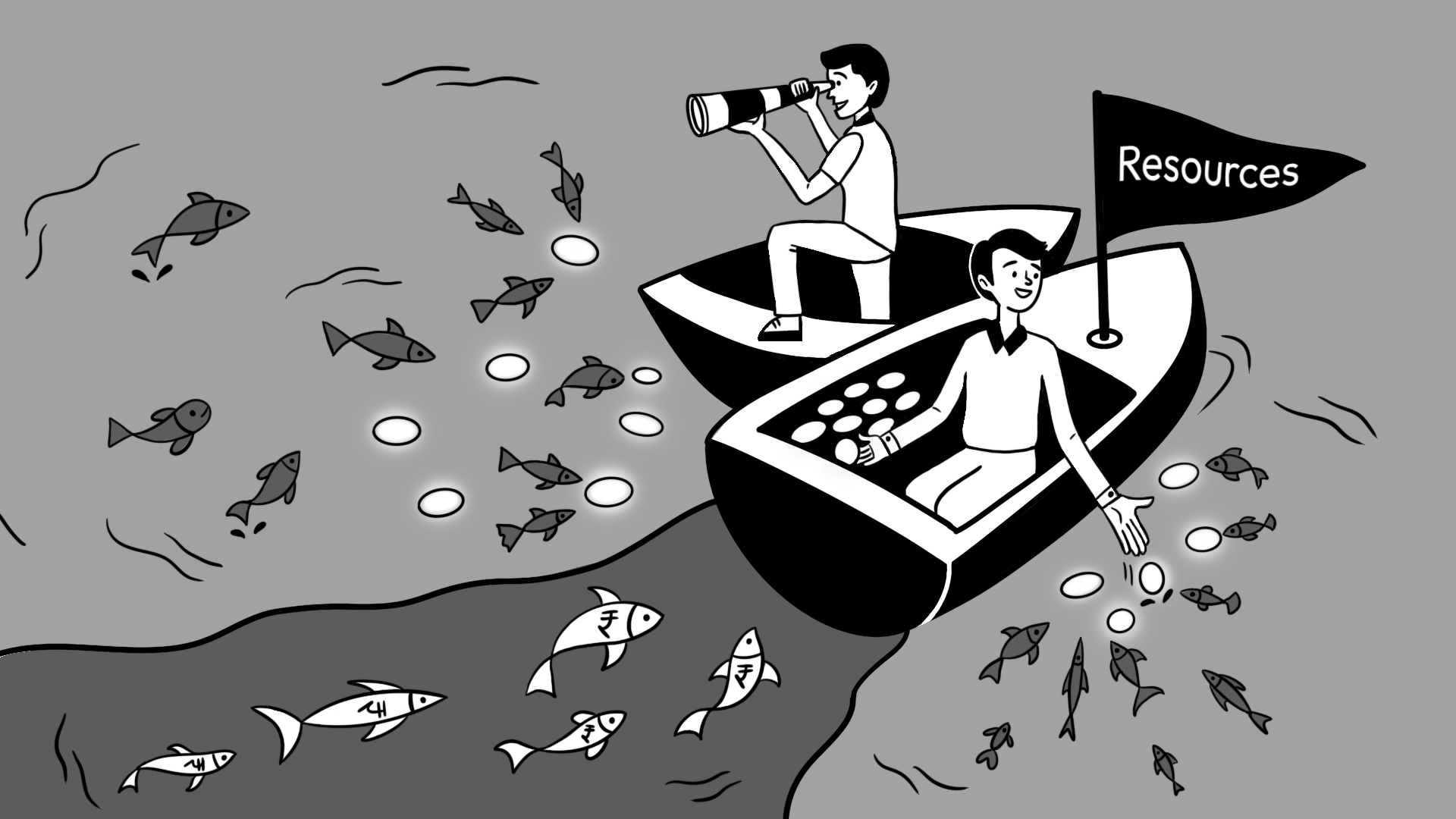
Scaling startups that can sustain the dire business ebb and flow is difficult. If you look at the statistics, you might feel that successful businesses are the actual outliers. As the fact is that only 10% of startups end up reaching their end goals, and the remaining 90% may either not live to achieve their dreams or end up surviving short of their expectations.
In this cutthroat environment, early-stage founders are desperate for tools, networks, and playbooks to simplify the chaos.
This is where Startup Programs, which are offered by corporates come in.
Think of these programs as a greenhouse. They offer nutrition to saplings (early-stage startups), providing a platform or ecosystem that supports early-stage ideas with the tools they need to scale. Simply put, it’s a way for corporates to “pay it forward” by offering premium products at discounted rates (or free) for a limited time.
But here’s the catch: the best programs don’t stop at discounts. They evolve into entire ecosystems. It shouldn’t feel transactional at all. Consider it as investing in the experience and the relationship to grow together.
This isn’t your typical marketing playbook. Startup programs don’t work like paid ads or cold outreach. They require patience, authenticity, and a genuine commitment to helping startups succeed. But when done right, they create a flywheel of lead generation, brand credibility, and community-driven growth that traditional channels simply can’t match.
Why Do Startup Programs Exist?
- Catching High-growth Companies Early: Startup programs act as prefiltered lead generation engines. Every enrollee is a future potential enterprise customer with existing usage patterns. A startup using your free tier today might raise a Series A tomorrow; as they scale to 50+ employees, your product becomes essential infrastructure worth premium pricing.
- Brand Credibility & Evangelism: Founders talk. When a founder successfully uses your platform, they become an evangelist, mentioning you in investor pitches and peer communities. This ecosystem-level credibility is hard to buy with traditional ads; it must be earned.
- Innovation Scouting: These programs are windows into emerging markets. A startup using your enterprise CRM for supply chain optimization might reveal a use case you never anticipated, signaling an untapped market segment.
- Lower CAC, Higher Retention: Traditional customer acquisition is expensive. Startup programs distribute these costs across partnerships and word of mouth. The payoff? Customers acquired through nurtured channels show 37% higher retention rates compared to other methods.
- Community-led Growth: It creates a growth flywheel that doesn’t require aggressive B2B sales tactics. Instead of pitching, you mentor. Instead of closing deals, you facilitate connections.
How to Craft a Startup Program: Strategy & Execution
You cannot simply slap an “Apply Now” button on your site and hope for the next Unicorn to sign up. A successful program requires a mix of strict gating and genuine generosity. Creating room for startups with a potential to scale exponentially, while allowing others to take some risks, figure things out, and course correct to grow.
- Define Your Startup ICP
Not all startups are created equal. A fintech B2B SaaS has a completely different growth trajectory than a mobile gaming company. You must set entry barriers to ensure you attract companies serious enough to eventually pay.
- Funding thresholds: Microsoft for Startups, for example, requires companies to be privately owned and not yet at Series C or beyond. HubSpot offers tiered discounts based on funding raised (up to $2 million).
- Revenue Filters: CleverTap’s Leap program requires applicants to have a consolidated annual turnover of less than $2 million.
- Usage Limits: For product-led growth, use metrics like Monthly Active Users (MAU). CleverTap uses an MAU limit to separate true startups from scaled operations.
- Convey Benefits Clearly (The “Bundle” Strategy)
Your offering must be genuinely valuable, not a marketing gimmick. The best programs bundle their core software with ecosystem perks.
- Hard Dollar Value: Be specific. AWS Activate provides up to $100,000 in credits. Chargebee explicitly states startups save over $4,000 in the first year.
- Strategic Bundles: HubSpot bundles its CRM with Stripe Atlas incorporation services and legal templates.
- Beyond the Code: This is where you differentiate. Microsoft offers 1:1 meetings with technical experts. WeWork Lab’s Growth Campus offers mentorship, startup discussions, and more, along with access to their spaces at subsidized rates.
The GTM: A Stealth-to-Scale Approach
Here is where most companies stumble: they apply a traditional product launch playbook to a startup program. Marketing a startup program requires a much more nuanced, relationship-based approach.
Phase 1: The Stealth Launch & Testing
Don’t go loud immediately. Ideally, it is great to try and test out the waters with a select group of users who’d be interested in trying the offerings out. Gather feedback on the application process and support quality before scaling. You want to make things frictionless, deliver a complete experience, and ensure the value proposition totally resonates with your audience.
Phase 2: The Digital Presence
Your landing page is typically the founder’s first touchpoint. It needs to communicate value immediately.
Example: Zendesk for Startups leads with a clear value statement (“Zero risk. Unlimited potential”) followed immediately by concrete offerings: 6 months free for up to 50 agents.
Key Elements: Include social proof (logos of current startups), specific dollar-value savings, and clear eligibility criteria to save everyone’s time.
Phase 3: Building the Partner Pipeline
The startup ecosystem runs on networks. Tapping into existing relationships is far more effective than cold outreach.
- VC & Angel Networks: Partner with VCs to offer your program as a “portfolio perk”. VCs want their startups to save money; you want access to their portfolio. It’s a win-win.
- Accelerators: Partnering with accelerators like Y Combinator or Techstars or incubators like T-Hub, or even ecosystem enablers like Arthayan, gives you distribution access to entire cohorts (50–1000+ founders) at once.
- Government Initiatives: In India, for example, DPIIT-recognised startups under the Startup India scheme get exclusive access to tools like AWS credits.
Phase 4: Activation: Turning Community into Leads
Once the program is live, your focus shifts to trust-building. Authenticity is paramount here. Founders can spot a transactional relationship from a mile away.
- Content as a Trust Builder: Move beyond sales collateral. Freshworks powers The Orbit Shift Podcast to offer advice from experts, delivering value regardless of whether the listener buys their software. Plum Insurance created “Starter Guides” for Indian cities, covering everything from coworking spaces to operational guidance.
- Mentorship & Events: Sponsor demo days, host hackathons, or offer office hours. WebEngage’s REV program includes mentorship and workshops alongside platform access. This positions your brand as a helpful partner, not just a vendor.
- The Referral Engine (The Flywheel): Founders know other founders. A referral program can dramatically accelerate growth.
The Logic: Dropbox grew from 100k to 4 million users by incentivizing referrals.
The Tactic: Offer dual-sided incentives. If a founder is on your startup plan, offer them extended credits or feature unlocks for referring a peer.
If you wish to initiate a startup program, consider it to be like a marathon. A good program takes time to build. Iterate faster, garner feedback, correct your course, and aim to deliver quality.
Build infrastructure first, then partnerships, then content, and then community.
Ready to build a GTM strategy that turns early-stage startups into your biggest customers? Schedule a call today.